With rising LPG prices and increasing awareness about energy efficiency, many households in India are looking for ways to reduce gas consumption. One appliance that is often promoted as a solution is the Automatic gas stove. But the real question is: do automatic gas stoves actually reduce gas wastage, or is it just a marketing claim?
The answer is yes—automatic gas stoves can significantly reduce gas wastage, but the savings depend on how they are used and the features they offer. Let’s understand this in detail.
Understanding Gas Wastage in Traditional Stoves
Before comparing, it’s important to identify where gas wastage typically happens in a conventional gas stove:
- Leaving the burner on accidentally
- Cooking on unnecessarily high flame
- Delayed switching off after cooking
- Flame going out due to spillage but gas still flowing
- Inefficient burners that don’t distribute heat properly
These small habits can lead to a noticeable increase in LPG consumption over time.
What Makes a Gas Stove “Automatic”?
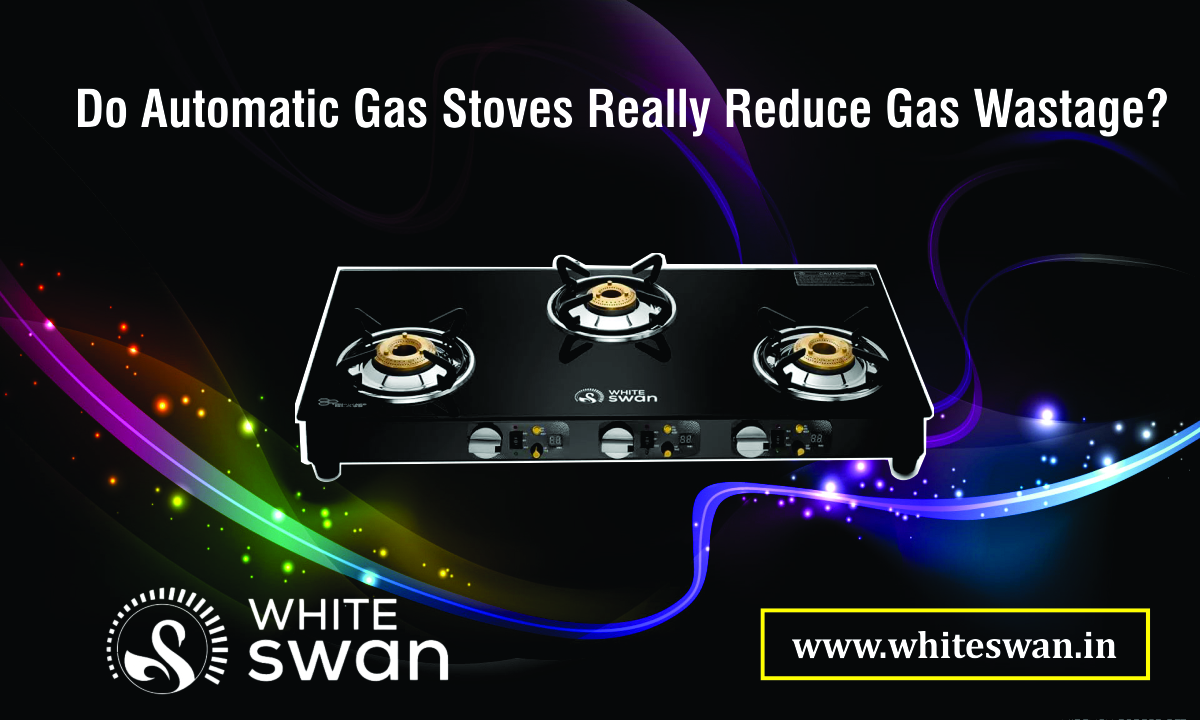
An automatic gas stove is designed to minimize manual errors and improve efficiency. It usually includes features such as:
- Auto ignition (no need for matchsticks or lighters)
- Flame failure protection
- Timer-based auto shut-off (in advanced models)
- Optimized burner design
These features help control gas usage more effectively compared to traditional stoves.
How Automatic Gas Stoves Reduce Gas Wastage
1. Auto Shut-Off Prevents Unnecessary Gas Flow
One of the biggest advantages of automatic gas stoves is the auto shut-off feature. If you forget to turn off the stove or set a timer for cooking, the stove will automatically stop the gas supply after the set duration.
This prevents situations where:
- Gas continues to flow after food is cooked
- Burners remain on when unattended
Over time, this feature alone can save a significant amount of LPG.
2. Flame Failure Protection Stops Gas Leakage
In traditional stoves, if the flame goes out due to:
- Wind
- Spilled liquids
- Low gas pressure
the gas may continue to flow, leading to wastage and safety risks.
Automatic gas stoves come with flame failure protection, which detects the absence of flame and immediately cuts off the gas supply. This not only improves safety but also prevents unnecessary gas loss.
3. Better Flame Control Improves Efficiency
Automatic gas stoves are designed with precision burners that provide better control over flame intensity.
This means:
- You can cook on low, medium, or high flame more accurately
- There is less heat loss
- Food cooks faster and evenly
Efficient heat usage directly translates into lower gas consumption.
4. Reduced Cooking Time
Because of improved burner efficiency and consistent flame control, cooking time is often reduced.
For example:
- Water boils faster
- Curries cook more evenly
- Frying takes less time
Shorter cooking time means less gas usage, which contributes to overall savings.
5. Timer-Based Cooking Avoids Overuse
In advanced automatic gas stoves, the timer function allows you to set a specific cooking duration.
This ensures:
- The stove turns off exactly when needed
- No extra gas is used after cooking is complete
This is particularly useful for dishes that require simmering, such as dal or rice.
6. Minimizes Human Error
Many instances of gas wastage happen due to simple human mistakes, such as:
- Forgetting to turn off the knob
- Leaving food unattended
- Using high flame unnecessarily
Automatic gas stoves reduce dependence on manual monitoring, which helps eliminate these errors.
Realistic Expectations: How Much Gas Can You Save?
While automatic gas stoves do reduce wastage, it’s important to have realistic expectations.
Gas savings depend on:
- Cooking habits
- Frequency of use
- Type of food prepared
- Awareness of flame control
On average, households may notice:
- Moderate reduction in LPG consumption
- Longer intervals between cylinder refills
However, the stove alone cannot save gas if inefficient cooking practices continue.
Additional Tips to Maximize Gas Savings
To get the best results from an automatic gas stove, combine it with smart cooking habits:
✔ Use the Right Flame Level
Avoid cooking everything on high flame. Use low or medium flame when possible.
✔ Use Proper Cookware
Flat-bottomed utensils ensure better heat transfer and reduce cooking time.
✔ Cover Utensils While Cooking
This helps retain heat and speeds up cooking.
✔ Clean Burners Regularly
Blocked burners can lead to uneven flames and higher gas usage.
✔ Plan Cooking Efficiently
Prepare ingredients in advance to avoid keeping the flame on unnecessarily.
Why White Swan Automatic Gas Stoves Make a Difference
White Swan automatic gas stoves are designed with efficiency and practicality in mind. They combine:
- Reliable burner technology
- User-friendly controls
- Safety-focused features
- Durable construction
These qualities ensure that users not only cook comfortably but also use gas more efficiently.
White Swan focuses on real kitchen needs, making their automatic gas stoves a smart choice for households looking to reduce wastage without compromising performance.
Are Automatic Gas Stoves Worth It for Gas Savings?
If your goal is to reduce gas wastage and improve efficiency, an automatic gas stove is definitely worth considering.
It is especially beneficial for:
- Busy households
- Working professionals
- Families with elderly members
- People who often multitask while cooking
The combination of safety, convenience, and controlled gas usage makes it a practical upgrade.
Conclusion
So, do automatic gas stoves really reduce gas wastage?
✔ Yes, they do—but with the right usage.
Features like auto shut-off, flame failure protection, and efficient burners help prevent unnecessary gas consumption and improve overall cooking efficiency.
While the savings may not be dramatic overnight, over time, an automatic gas stove can lead to noticeable reductions in LPG usage, lower costs, and a safer kitchen environment.
When paired with mindful cooking habits, investing in a high-quality automatic gas stove—such as those from White Swan—can be a smart step toward efficient, economical, and modern cooking.